What does the problem involve?
Ants follow scent trails between their nest and food. Removing visible ants may offer only temporary relief if the route, source or nest remains.
Our services
A few ants do not always indicate an infestation, but established trails and repeated indoor activity may point to a nearby nest or food source.
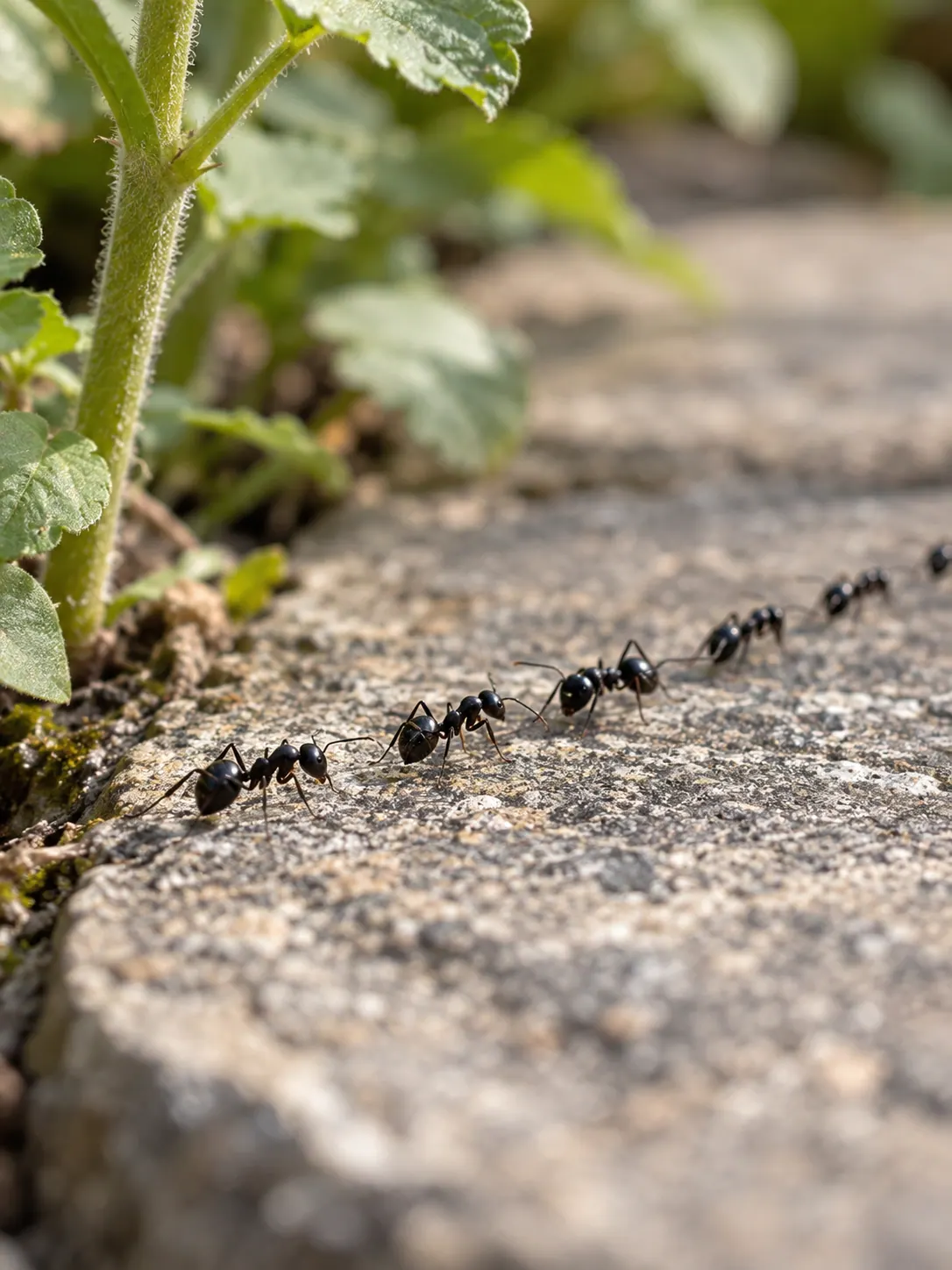
Ants follow scent trails between their nest and food. Removing visible ants may offer only temporary relief if the route, source or nest remains.
Background
Causes vary between buildings and surroundings. These conditions are common, but an on-site assessment can provide greater clarity.
Our approach
Describe the signs, location and duration of the activity.
Your report and the relevant circumstances are reviewed with you.
An inspection may be needed if identification, source or extent is unclear.
Select a method suited to the species and location
The agreed treatment is carried out when it suits the situation.
Explain cleaning and access prevention
Pricing
The price can only be determined after the situation has been assessed. We therefore do not publish an amount that may not fit your property or problem.
We first discuss your report and the relevant circumstances. The next steps depend on what we find.
For businesses and property managers
For a commercial request, describe the affected areas, opening hours, stock, waste flows and shared use as well as the signs. This helps determine a practical and suitable response.
Kitchens, storage, deliveries and waste require careful coordination.
Stock, packaging and customer areas may each need different attention.
Goods flows, loading areas and quiet storage zones matter during assessment.
Kitchenettes, technical rooms and shared areas may be involved in a report.
Rooms, linen, luggage movements and shared spaces require discreet planning.
Shared ducts, basements and adjoining homes can affect the source or spread.
Frequently asked questions
An existing scent trail, food source or nearby nest can produce renewed activity.
Removing food residue and cleaning trails helps, but does not always address the nest.
Winged ants are reproductive members of a colony. Correct identification remains important.
Describe what you have seen and enter your postcode and town.