
What does the problem involve?
Rats are cautious and often most active in quiet periods. Their source may be indoors, outdoors or in connections between the two, so the wider surroundings matter.
Our services
Rats may occur around buildings, gardens, storage areas and places with accessible food or water. Early detection makes assessment easier.
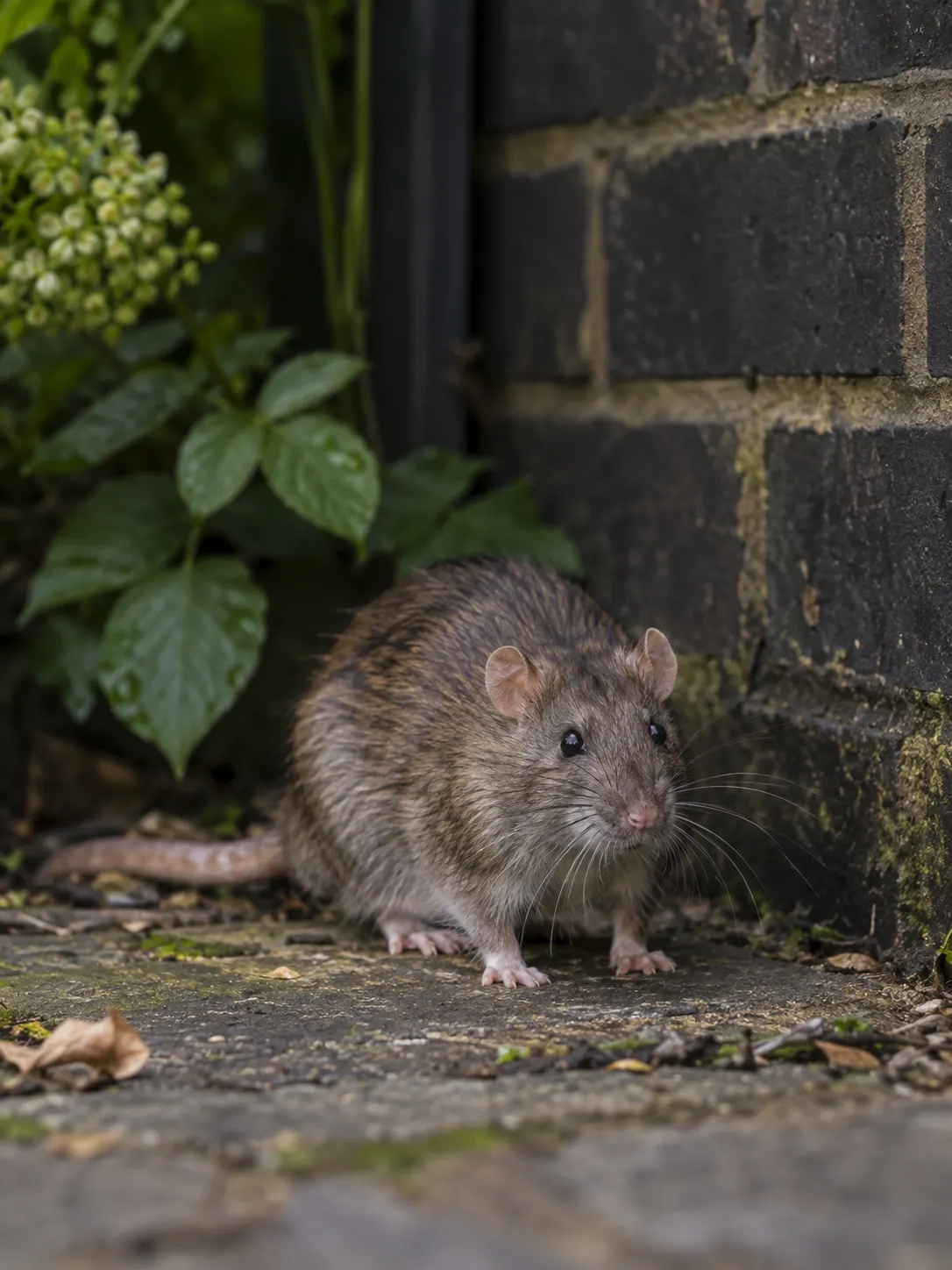
Rats are cautious and often most active in quiet periods. Their source may be indoors, outdoors or in connections between the two, so the wider surroundings matter.
Background
Causes vary between buildings and surroundings. These conditions are common, but an on-site assessment can provide greater clarity.
Our approach
Describe the signs, location and duration of the activity.
Your report and the relevant circumstances are reviewed with you.
An inspection may be needed if identification, source or extent is unclear.
Choose a safe, site-specific response
The agreed treatment is carried out when it suits the situation.
Explain proofing and housekeeping measures
Pricing
The price can only be determined after the situation has been assessed. We therefore do not publish an amount that may not fit your property or problem.
We first discuss your report and the relevant circumstances. The next steps depend on what we find.
For businesses and property managers
For a commercial request, describe the affected areas, opening hours, stock, waste flows and shared use as well as the signs. This helps determine a practical and suitable response.
Kitchens, storage, deliveries and waste require careful coordination.
Stock, packaging and customer areas may each need different attention.
Goods flows, loading areas and quiet storage zones matter during assessment.
Kitchenettes, technical rooms and shared areas may be involved in a report.
Rooms, linen, luggage movements and shared spaces require discreet planning.
Shared ducts, basements and adjoining homes can affect the source or spread.
Frequently asked questions
They are often seen during quiet periods, but daytime activity is possible.
Food, water and shelter outside can support rat activity around a building.
Not necessarily. The scale, source and location determine the follow-up required.
Describe what you have seen and enter your postcode and town.